Sign up to our Newsletter!
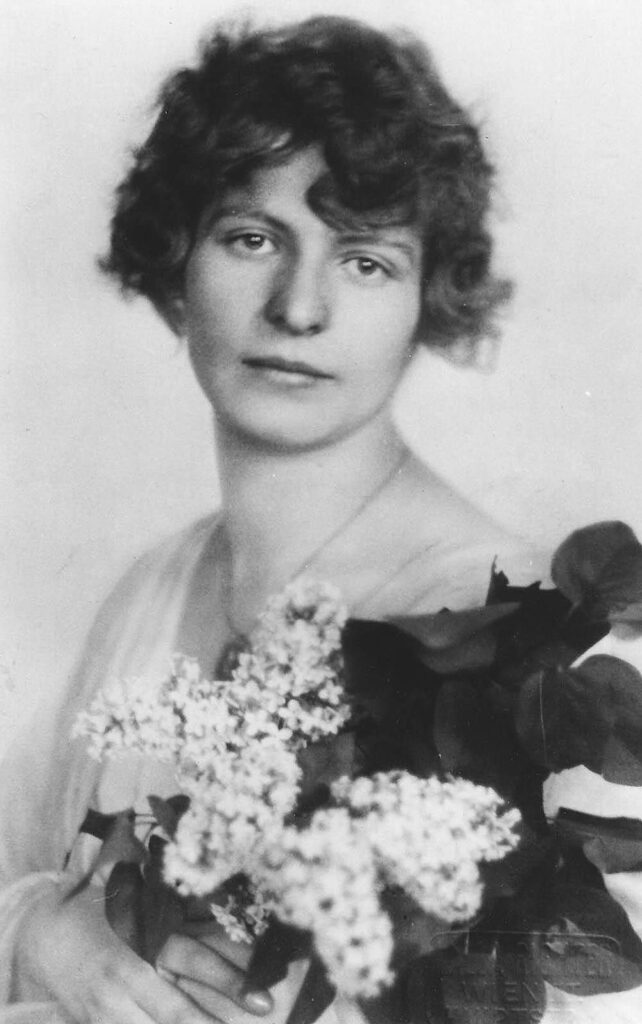
Story of Marianne Golz-Goldlust
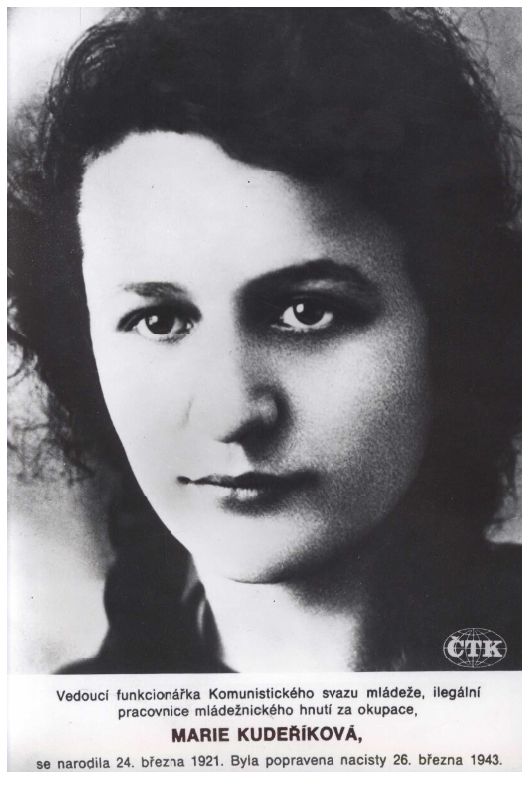
The story of Marie Kudeříková and her legacy
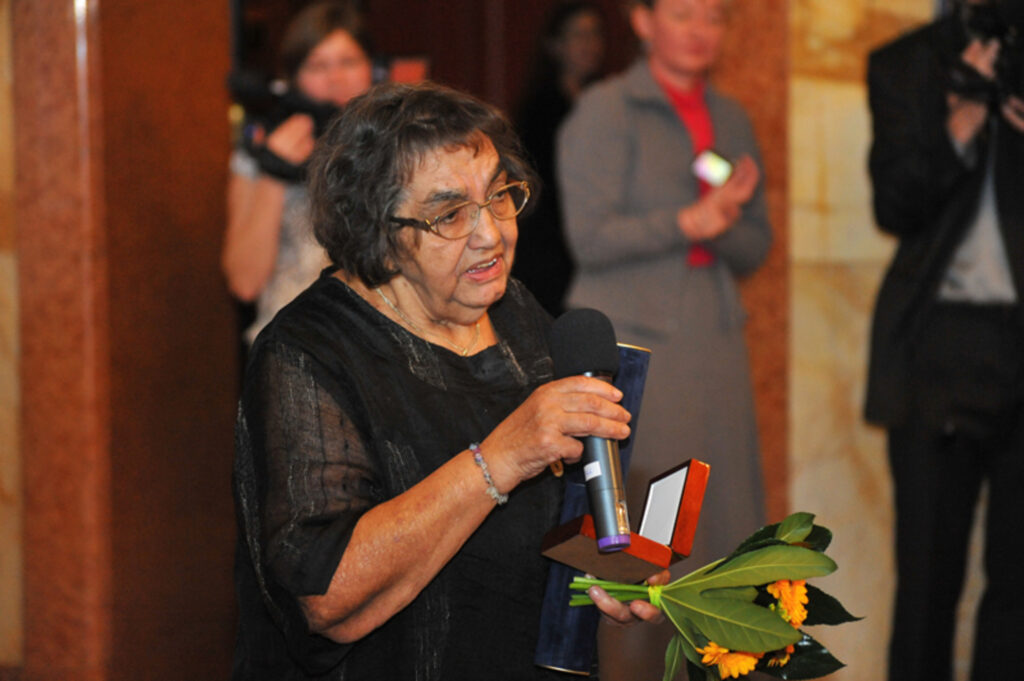
Story of Emílie Machálkové
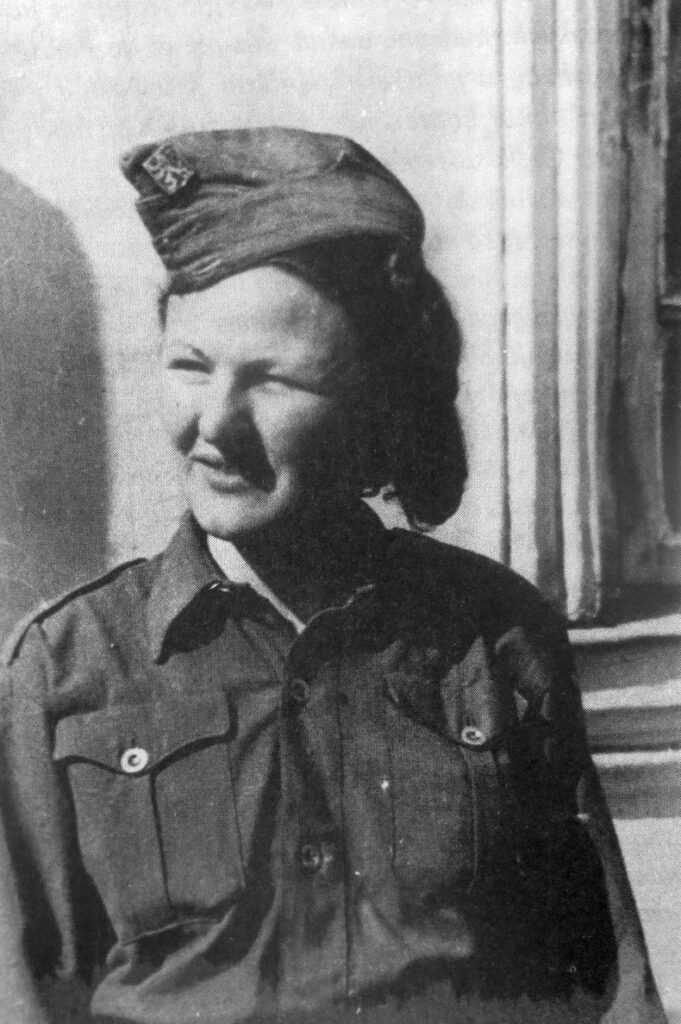
Story of Jiřina Kopoldová
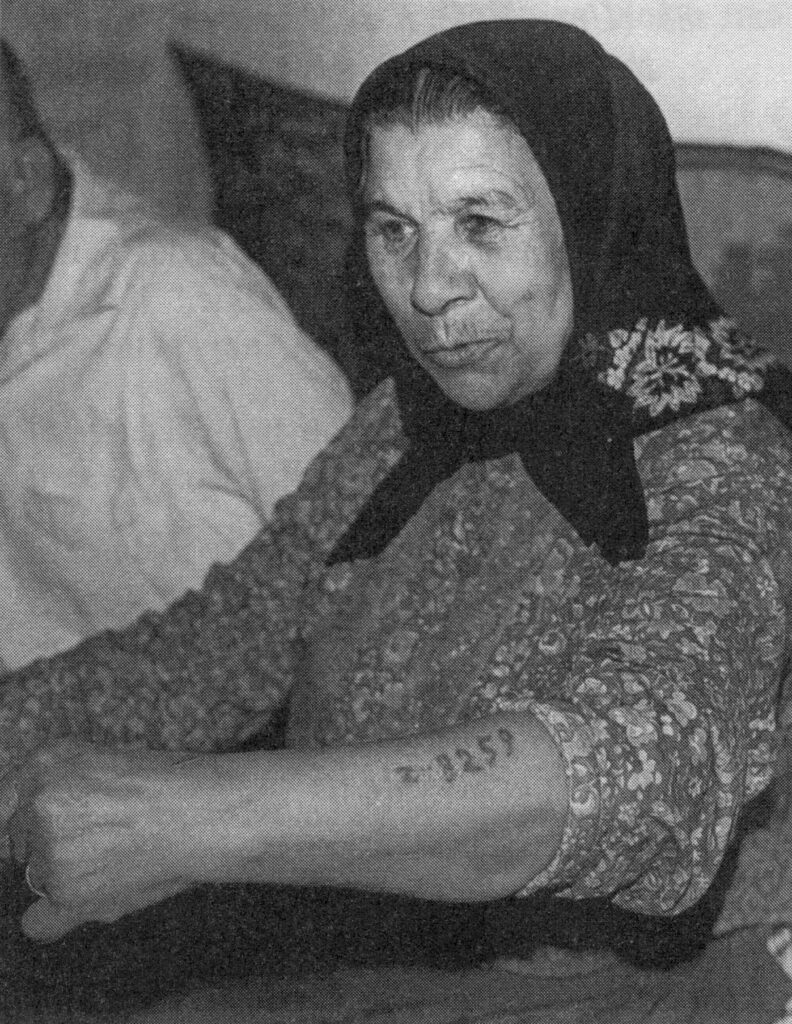
Story of Růžena Danielová
In 2023–2024, we were partners in the international project Female Voices Unheard – Women in Resistance Against National Socialism. Its aim was to involve young people from Czechia, Poland and Germany in exploring the topic of women’s resistance against the Nazi regime and to bring to life the specific stories of women who actively stood up against injustice. As part of the project, we prepared, among other things, a guided walk entitled “In the Footsteps of Courageous Women in Prague”, intended for schoolchildren, students and the wider public. It turned out that working with the individual fates of women in connection with specific places of memory has extraordinary potential to open a dialogue about the past and to link historical knowledge with current issues of civic responsibility.
These experiences are followed up by the project “Women’s Voices of War in the Past and Present”, which is based on the conviction that the experience of the Second World War cannot be fully understood without paying close attention to women’s perspectives. At the same time, it is based on the finding that powerful stories are still often marginalised and overlooked. In public memory and in the teaching of history, political and military narratives associated primarily with male actors still often predominate, while the diverse forms of female experience remain more at the level of Holocaust victims’ testimonies, scattered in archives and on the margins of professional and public interest.
Our goal is to focus attention on women’s perspectives and experiences of the war, to look at the stories of the greatest war in history from their perspective, and to bring them back to life through specific, historically documented stories of women who lived through the Second World War in what is now the Czech Republic. We follow a wide spectrum of fates – women persecuted by the Nazi regime, participants in the domestic and exile resistance, women forced into exile, and those who helped others or tried to cope with the difficult conditions of everyday life. What they have in common is the moment of decision in extreme situations when it was necessary to act, help others or stand up to injustice.
We want the individual stories to be more than just illustrations of “great history”; we want them to speak as unique historical testimonies. It is often in their details that we see most clearly how deeply the war affected the everyday lives of individuals and families and how diverse the strategies of survival, resistance and solidarity were.
The project combines historical research with education. The output is therefore not only individual stories but also teaching materials and educational programmes that can be used in schools and informal education. In this way, we strive not only to learn about the past, but also to develop sensitivity to injustice and strengthen personal responsibility in today’s society.
For a long time, the history of the Second World War was told mainly from a male perspective. The stories of soldiers and political leaders came to the fore, while the experiences of women were often overlooked or served only as a supplement or illustration of the powerful destinies of men. However, current research increasingly clearly shows that without these perspectives, the war experience cannot be fully understood.
The war had a profound impact on the lives of women across society. In addition to caring for their families and households, they often took on roles previously considered “masculine” and bore considerable responsibility for the day-to-day functioning of life behind the front lines. Many, however, became directly involved in the resistance and exposed themselves to the risk of imprisonment, torture or death, while others helped the persecuted, provided hiding places or refused to cooperate with the occupying power. The importance of women in the anti-Nazi resistance ultimately proved to be crucial, and women showed such immense courage that even Nazi documents complain about the “fanatical Czech women” in the fight against the Reich. Women’s everyday lives during the war were shaped not only by deprivation and fear, but also by the need to make difficult moral decisions. It is these often-inconspicuous choices that today help us to better understand how people acted in extreme situations and what values were decisive for them.
Post-war memories of the anti-Nazi resistance were also strongly influenced by political developments. After 1948, the official narrative focused primarily on the communist resistance, with many other forms of resistance remaining in the background. The role of women was also often simplified, overlooked or politically exploited. This was compounded by the fact that many women remained silent about their experiences after the war for a long time – due to trauma, shame or a lack of social recognition or time.
Only in recent decades has this picture been gradually filled in. Historical research, educational projects and artistic creation are rediscovering women’s experiences of war and showing that courage, solidarity and responsibility were not a question of gender, but of specific moral choices. We believe that these stories still have something to say today. They help us to perceive history from the perspective of individuals, develop empathy and critical thinking, and remind us that even in difficult situations, it makes sense to act responsibly and humanely. That is why it is important that they become a natural part of teaching and public discussion about the past.
The project includes stories of women who are interesting and inspiring to us in various ways. We will be publishing them gradually throughout this year.
We believe that they will be as inspiring to you as they have been and continue to be for us.